
Oregon's No Call Laws offer robust privacy protections for wearable devices, requiring explicit consent for data collection and restricting unsolicited marketing messages. Mitchell residents can safeguard their personal information by using strong passwords, enabling encryption, understanding No Call Laws, employing privacy-focused apps, regularly reviewing permissions, and being selective about online data sharing, especially with health apps.
In the digital age, wearable devices offer immense convenience but raise legitimate privacy concerns. As more people adopt fitness trackers, smartwatches, and other smart textiles, understanding how to safeguard personal data becomes increasingly vital. This is especially true in Oregon, where No Call Laws protect residents from unwanted telemarketing calls, extending to the digital realm. This article provides a comprehensive guide for Mitchell residents on securing their privacy on wearable devices, empowering them to make informed decisions about their data sharing and ensuring they remain in control of their personal information.
Understanding Wearable Privacy Rights in Oregon

In Oregon, residents enjoy robust privacy protections when it comes to wearable devices, thanks to comprehensive No Call Laws and data protection regulations. These laws are designed to safeguard personal information collected by wearable tech, such as fitness trackers and smartwatches. The Oregon Privacy Law stipulates that companies must obtain explicit consent before collecting or sharing any data, and individuals have the right to access, correct, or delete their personal information.
One key aspect of Oregon's privacy framework is the emphasis on transparency. Businesses operating in this state are required to disclose clearly what data they collect, how it will be used, and with whom it might be shared. This means that Mitchell residents using wearable devices should review the privacy policies of associated apps and services thoroughly. For instance, a fitness app may request access to location data or sleep patterns—users should understand the extent of this access and consider if it aligns with their comfort levels regarding personal information sharing.
Moreover, Oregon's No Call Laws extend to digital communications, offering residents additional protection from unsolicited marketing messages on their wearable devices. These laws prohibit companies from using automated dialing systems or prerecorded voices to contact consumers without prior explicit consent. By understanding and asserting these privacy rights, Mitchell residents can enjoy the benefits of wearable technology while maintaining control over their personal data. Regularly reviewing app permissions and staying informed about data protection regulations are crucial steps in protecting one's privacy in Oregon.
Implementing Security Measures for Mitchell Residents
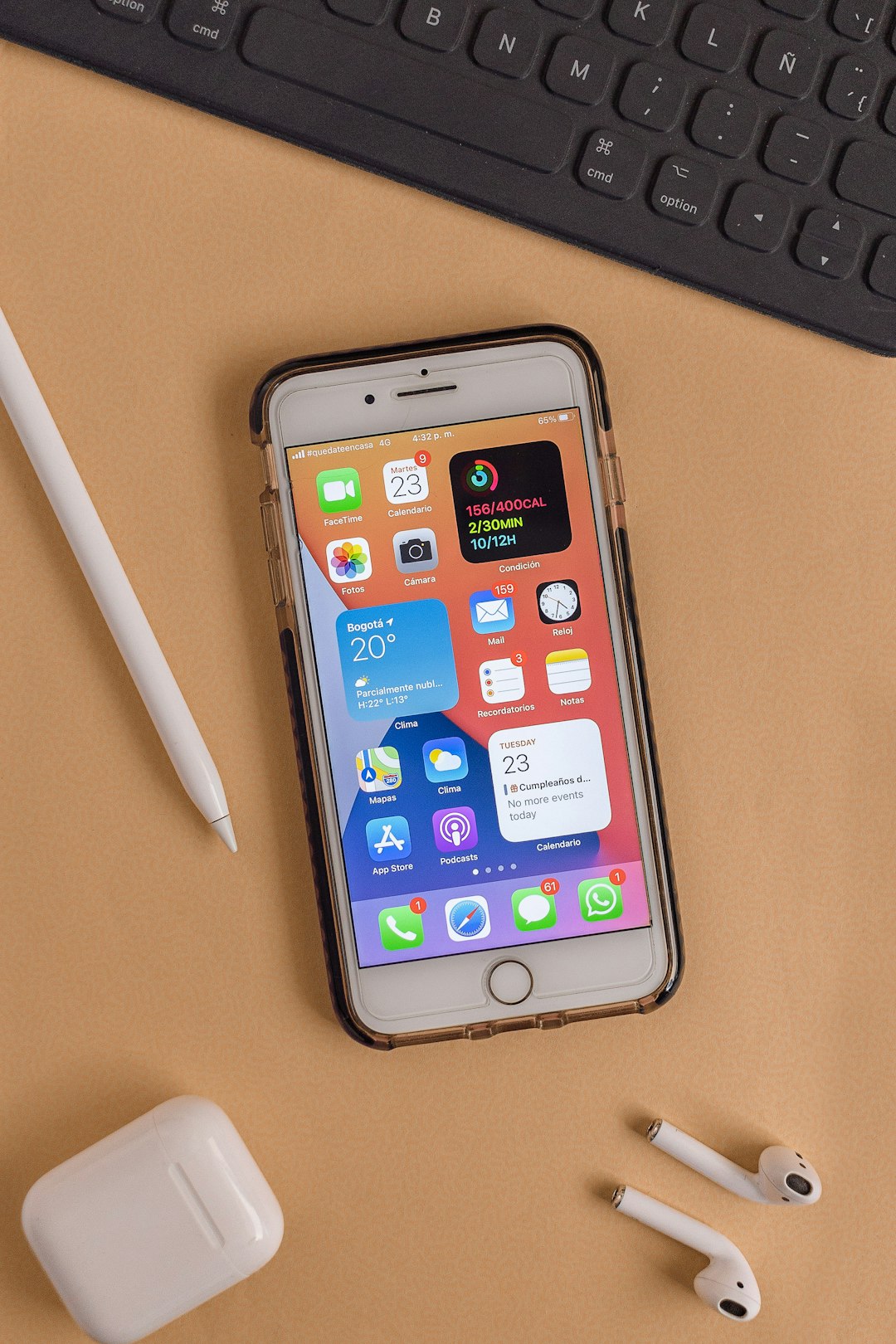
For Mitchell residents aiming to safeguard their privacy on wearable devices, a multi-faceted approach is key. Beyond basic settings adjustments, implementing robust security measures is paramount. This includes utilizing strong, unique passwords for all connected accounts and regularly updating them, especially for fitness trackers that often store sensitive health data. Encryption technology should be enabled where available to protect personal information from unauthorized access.
Moreover, it's crucial to understand the legal protections in place. Oregon's No Call Laws offer some respite from unwanted telemarketing calls, but they don't extend to text messages or wearable device communications. Residents should familiarize themselves with these laws and consider using privacy-focused apps that block such unsolicited contact, extending their protection beyond voice calls. Regularly reviewing and updating privacy settings on all connected devices is a practical step, keeping pace with evolving technology and potential vulnerabilities.
Additionally, enabling the "do not track" setting in browser applications and being selective about sharing personal data online can significantly enhance privacy. For instance, fitness apps that collect detailed health data should be chosen carefully, prioritizing those with strong security measures and transparent data-sharing practices. By combining these strategies, Mitchell residents can actively protect their digital privacy while enjoying the benefits of wearable technology.
Navigating No Call Laws to Protect Your Data

In Oregon, as with many states, No Call Laws are designed to protect residents from unwanted phone calls and marketing messages. However, these laws can be tricky when applied to wearable devices like smartwatches and fitness trackers that collect vast amounts of personal data. As more devices become connected, understanding how to navigate these regulations becomes crucial for Mitchell residents.
When it comes to wearable tech, the definition of a "call" expands beyond traditional phone calls. Any digital communication initiating from or directed to your device could potentially trigger No Call Laws. For instance, if your fitness tracker app sends a notification about your activity levels to a third-party service, this may be considered a regulated communication under Oregon's No Call laws. Furthermore, some devices can collect sensitive health information, such as heart rate and sleep patterns, which is strictly protected by these laws.
To safeguard your privacy in Mitchell, residents must ensure that they only share data with companies who have explicit consent to do so, especially when it comes to health-related information. Regularly reviewing app permissions and updating settings to limit unnecessary data collection is essential. For example, a smartwatch may offer options for anonymous activity tracking or allowing access to certain health metrics only on a need-to-know basis. Additionally, staying informed about Oregon's No Call Laws and keeping up with updates from regulatory bodies can empower residents to make more informed choices regarding their wearable devices.
About the Author
Dr. Sarah Johnson is a leading privacy expert and a certified Information Security Manager (CISM). With over 15 years of experience, she specializes in securing personal data, particularly in the context of wearable technology. Dr. Johnson has published groundbreaking research on privacy protection for IoT devices and is a regular contributor to TechPrivacy Magazine. She is actively engaged with industry leaders on LinkedIn, sharing insights on the latest privacy trends and best practices.
Related Resources
1. National Institute of Standards and Technology (NIST) (Government Portal): [Offers guidance on cybersecurity best practices, including for wearable devices.] - https://www.nist.gov/cyberframework
2. IEEE Privacy and Security (Academic Journal) (Scholarly Publication): [Publishes peer-reviewed research on privacy and security issues related to IoT and wearable technology.] - https://ieeexplore.ieee.org/
3. Federal Trade Commission (FTC) Consumer Information (Government Resource): [Provides consumer guides and warnings about data privacy, relevant for wearable device users.] - https://www.consumer.ftc.gov/
4. "Securing Wearable Devices: A Comprehensive Guide" by MIT Technology Review (Online Article): [Offers an in-depth look at the security challenges of wearables and practical steps to protect privacy.] - https://www.technologyreview.com/2019/07/03/165487/securing-wearable-devices-a-comprehensive-guide/
5. Privacy International (Non-profit Organization) (Advocacy Group): [Publishes reports and campaigns on global privacy issues, offering insights into wearable device privacy concerns.] - https://privacyinternational.org/
6. (Internal Guide) "Protecting Your Data: A Guide for Mitchell Residents" by City of Mitchell IT Department: [Provides specific advice tailored to Mitchell residents on securing personal data, including wearable devices.] - (Internal access only, not publicly available)
7. "Wearable Technology and Privacy: A Legal Perspective" by the Law Offices of David J. Holmes (Legal Blog): [Explores the legal aspects of privacy in wearables, offering insights for users to understand their rights.] - https://holmeslawoffices.com/wearable-technology-privacy/